

Catching More Than Memories
Why Pokémon still hits different

The story of Pokémon begins at the crossroads of the late 1990s and early 2000s – a tumultuous era for the video game industry.
During this time, children, captivated by the vibrant cartoons from Japan, began to abandon traditional forms of game in favour of a new and more immersive entertainment, sublimated into analogue – and pocket-size – devices coming from the House of Rising Sun.
Amid that wave of innovation, a revolutionary console emerged: the Nintendo Game Boy Colour.
Origins
With its compact design, chubby shape, and vibrant display, it quickly became a coveted item.
Children across the globe pleaded with their parents for one. This pocket-sized marvel of engineering captured the imagination of an entire generation like nothing before it.
But what was it about these turn-based JRPGs – then considered 'indie', developed by small, tightly knit teams without the backing of major publishers – that allowed them to evolve into the highest-grossing media franchise on the planet within just a decade?
It all begins in the 1970s, with the childhood of Pokémon's creator, Satoshi Tajiri. Raised in a Tokyo suburb, Satoshi quickly stood out as an unconventional child.
He was diagnosed with Asperger’s syndrome. From a young age, he developed a deep passion – an obsession – for entomology. Satoshi spent countless hours catching and cataloguing species of insects, fascinated by their diversity and behaviour.
Fast-forward a decade: as a teenager, he often wandered through Akihabara – Tokyo’s iconic Electric Town, a haven for arcade games, anime, manga, and electronic subcultures.
Tajiri, a dedicated gamer with a highly analytical mind, began creating and selling strategy guides, revealing how to beat slot machines.
This early venture marked the beginning of a unique path that would eventually change the gaming world forever.
It was around this time that Satoshi Tajiri met the cartoonist/illustrator Ken Sugimori. Together, they began publishing a magazine focused on the world of video games.
They called it Game Freak, and the zine quickly gained traction after being picked up and distributed across Japan by the Mandarake chain.
But for Tajiri and Sugimori, that success wasn’t enough. Their ambitions grew bolder with the discovery of Family BASIC; a tool integrated into the Famicom – known as the Nintendo Entertainment System (NES).
With it, they realized they could go beyond writing about games, they could start creating their own from scratch.
Thus, they go on to release their debut title, Quinty, which is published in Japan by Namco and in the United States by Hudson Soft under the name Mendel Palace.
The game proves to be a success, prompting the artist duo to envision themselves as an animation studio itself.
Satoshi feels inspired to create something unique and unconventional. One of his childhood favourites was Dragon Quest – a game whose success he attributes to the compelling blend of Akira Toriyama’s distinctive art style and Yūji Horii’s engaging storytelling, which helped establish the franchise as one of the era’s most iconic series.
The inspiration
But if there was one thing Satoshi couldn’t stand, it was the lack of a trading system that would allow the players to interact within the same game.
Why not design a game where player interaction isn't just a feature, but a necessity for completing the adventure? Shigeru Miyamoto, the legendary mind behind ‘Super Mario’ and ‘The Legend of Zelda’, who immediately sees its promise.
Nintendo eventually decides to invest in the project. Tajiri, a longtime fan of the third ‘Ultraman’ series – where the hero, Ultra Seven, battles using monsters stored in convenient capsules – draws inspiration from it to conceive Pocket Monsters.
The development takes six long years, and during that time, Tajiri, financially drained by the team's high development costs, is forced to move back in with his parents.
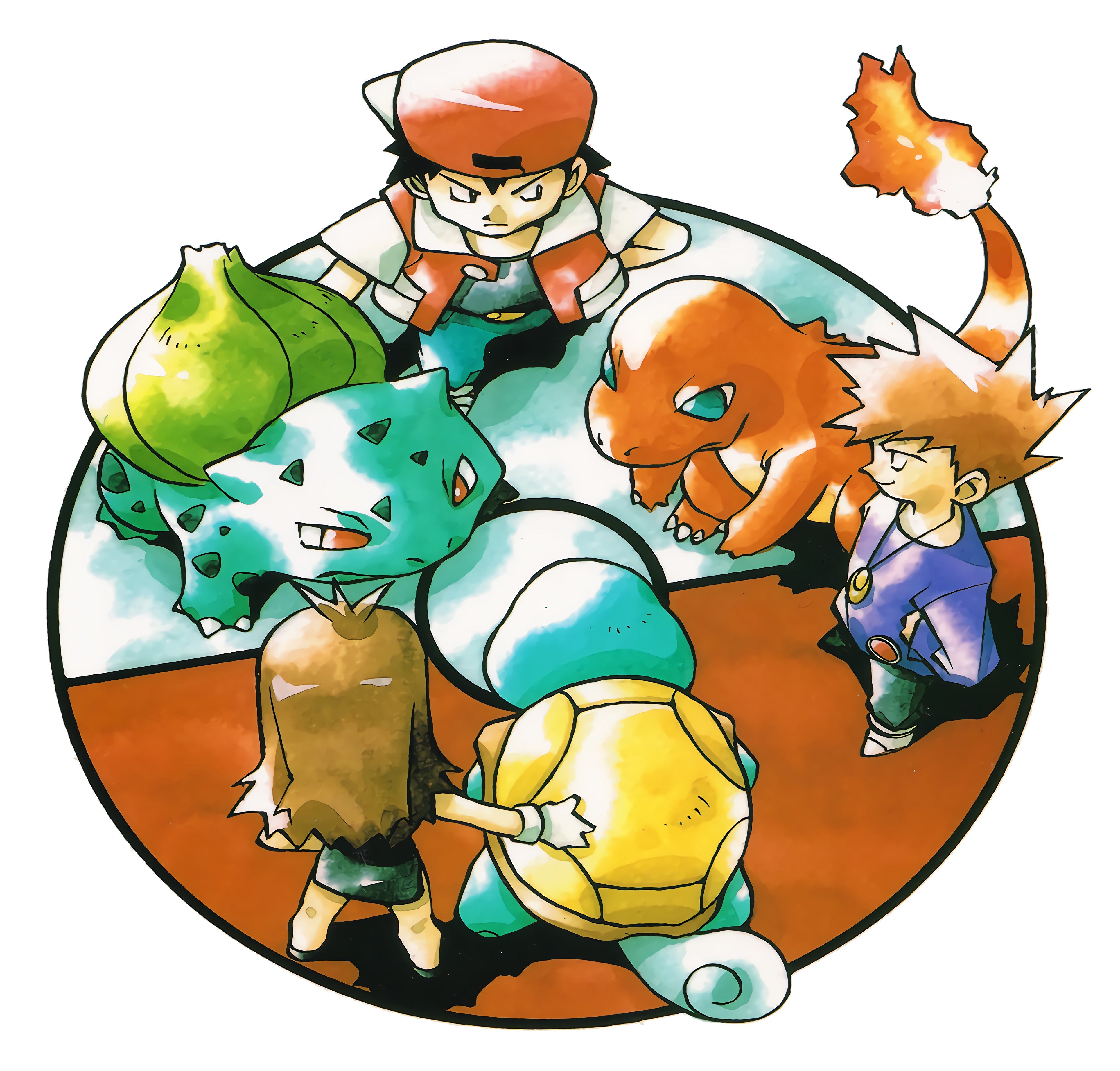
In February 1996, Pokémon Red and Green launched on the Japanese market for the Game Boy – a strategic release designed to promote player interaction.
To complete the Kanto Pokédex, players had to cooperate and trade version-exclusive Pokémon between the two games, turning a single-player experience into a social one.
Despite Nintendo's high hopes, the public's initial reaction was tepid. The game failed to stand out much from the others, hindered by subpar detail definition and graphical rendering even at the time.
Still, while the designers aimed to revolutionize the video game market, they were still relatively inexperienced, as reflected in the numerous glitches.
Paradoxically, these imperfections only contributed to the game's charm, making the first-generation titles some of the most beloved in the entire series, according to millions of fans.
However, programmer Shigeki Morimoto, without informing anyone, secretly decides to include a mysterious Pokémon that no one would ever be able to find.
Missing piece
Driven by their compulsive collector instincts, the Japanese players, eager to capture the elusive 151st monster and complete the game, began scouring every corner in search of the missing link.
After some time, the creature – revealed to be the ‘Adam’ of all Pokémon – finally makes its appearance in the pages of the comic magazine CoroCoro Comic, sparking the curiosity of thousands of readers in the Rising Sun.
The announcement details a contest with 78,000 participants, from which twenty lucky winners will be drawn to receive a free, limited-edition Mew.
The allure of exclusivity – owning something few others have – pushes the title to unprecedented heights. The number of sales suddenly soar, fuelling the success of the animated series and manga of the same name, in which Nintendo, Game Freak, and Creatures Inc. all play a part.
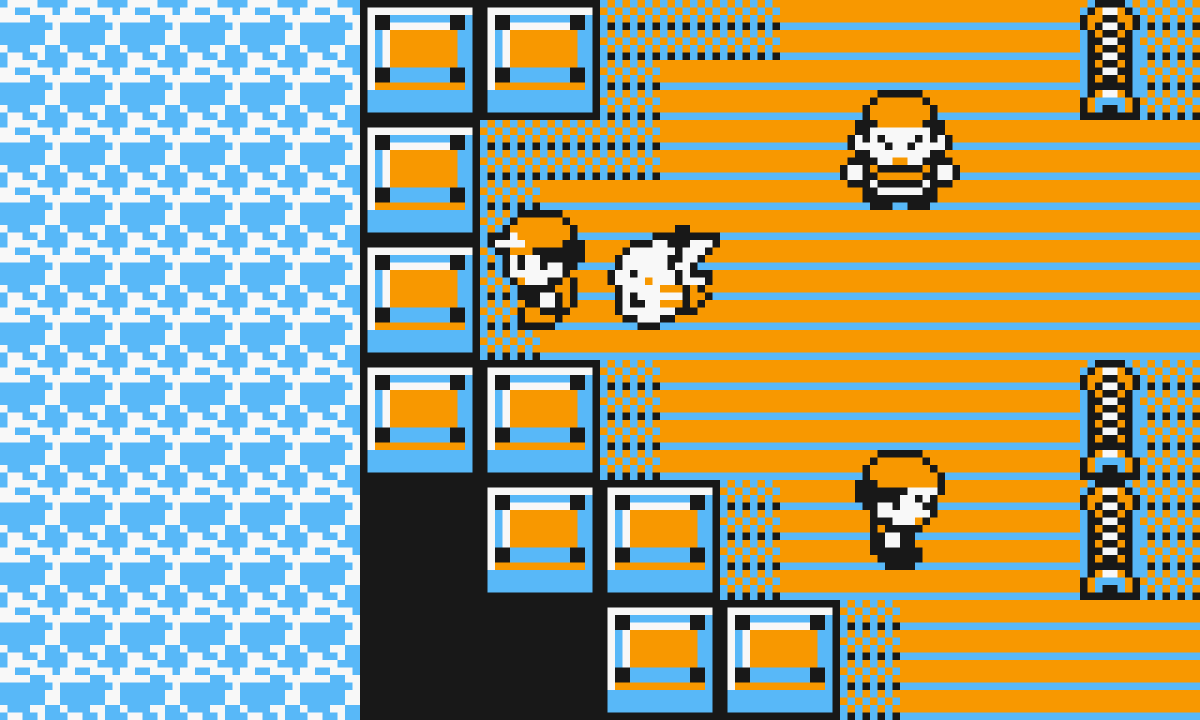
New items
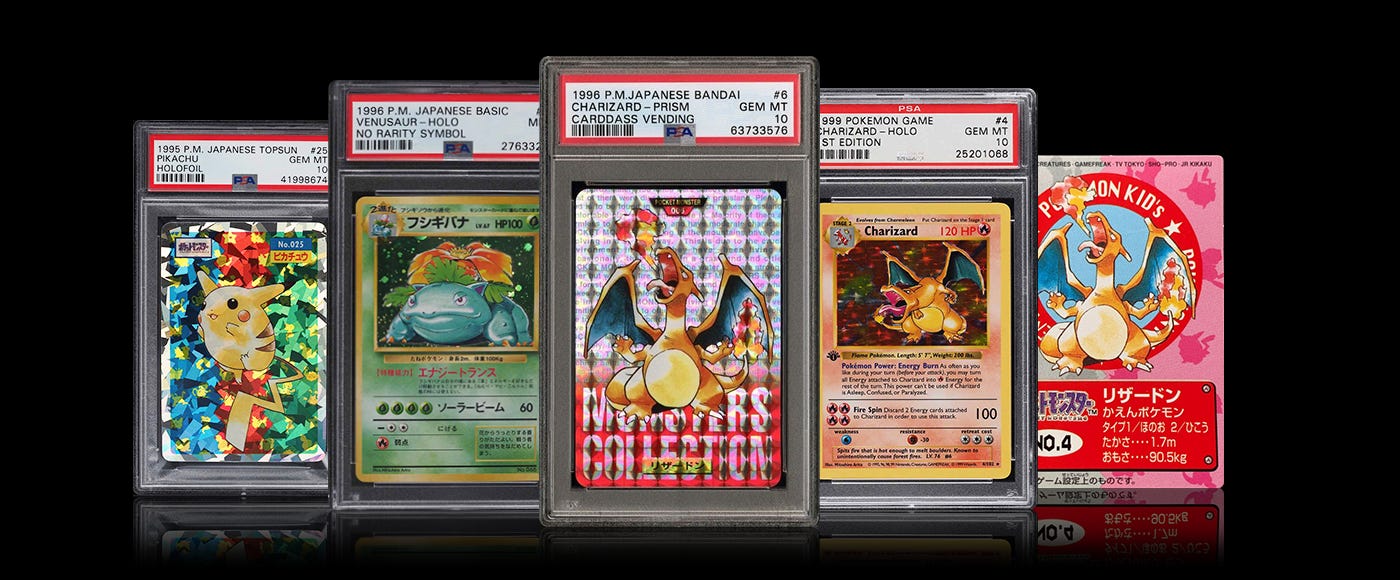
The ‘Pokémon mania’ explodes, and despite the prohibitions from parents and teachers, video games, VHS tapes, and TCG (Trading Card Game) cards featuring the beloved pocket monsters begin to spread like contraband among school desks.
The trading cards are released in the West just a month after their debut in Japan.
Media Factory, eager to sell them to the U.S. market, rushes the process, resulting in several mistakes – from the misprinted Cosmo Holo to the omission of the rarity symbol – that set the first U.S. print run apart from the original Japanese base set.
The 'no rarity print' stays on the market for 53 days only, long enough to catch the attention of Wizards of the Coast.
Upon learning of a new trading card game similar to ‘Magic: The Gathering’, they acquire the rights and become its official publisher.
The reason of their success lies a deep nostalgia for the early 2000s, paired with a fascination for contemporary Japanese culture. These games are treasured possessions; sentimental artifacts tied to our childhoods.
I vividly remember being four years old, spending my first summer in Versilia, when my father took me to a seaside toy store in Forte dei Marmi.
We already had the essentials: the paddle and bucket set, a set of bocce, and of course, the Super Santos, the undisputed king of beach balls.
But as an only child, there was no such thing as a spending limit. I enter the world of video games unknowingly, my eyes squinting in awe – suspended between a dream and a marvel.
About me
After the release of Pokémon Red and Blue, followed by Gold and Silver, Nintendo unveils Ruby and Sapphire for the Game Boy Advance.
I catch sight of it in a shop window and glance at my father, asking without words, though I already know there’s no need.
He’s always ready to make me happy. Back home, I power on the console, and the vibrant, kaleidoscopic glow of the screen pulls me in completely. It’s love at first sight – the beginning of a journey I’ll never forget.
My earliest memory related to Pokémon goes back a few years before I was even old enough to understand it all; 1998, the year I was born. That’s when the first animated movie was released.
A firm marketed as child-friendly, or so parents thought, as they accompanied their little ones to the theatre – unaware of the surprisingly heavy themes woven into the storyline.
Then we were yet spoiler-proof – the only leaks came from print magazines buried on the shelves of newsstands – a Donphan suddenly charges into the very first battle scene.
A Pokémon no child in the audience had seen before. It wasn’t from Kanto. It wasn’t part of the familiar 151.
And just like that, the illusion shatters. The Pokédex doesn’t end where Professor Oak said it did. There are more, and we really have to catch them all.
I recently rewatched the first movie – ‘Pokémon: The First Movie’ – and, while I initially thought nostalgia might be clouding my judgment, I realized the film genuinely holds up.
The extended cut of the original Pokémon movie adds powerful depth to the story by exploring the past of the lead scientist behind Mewtwo's creation.
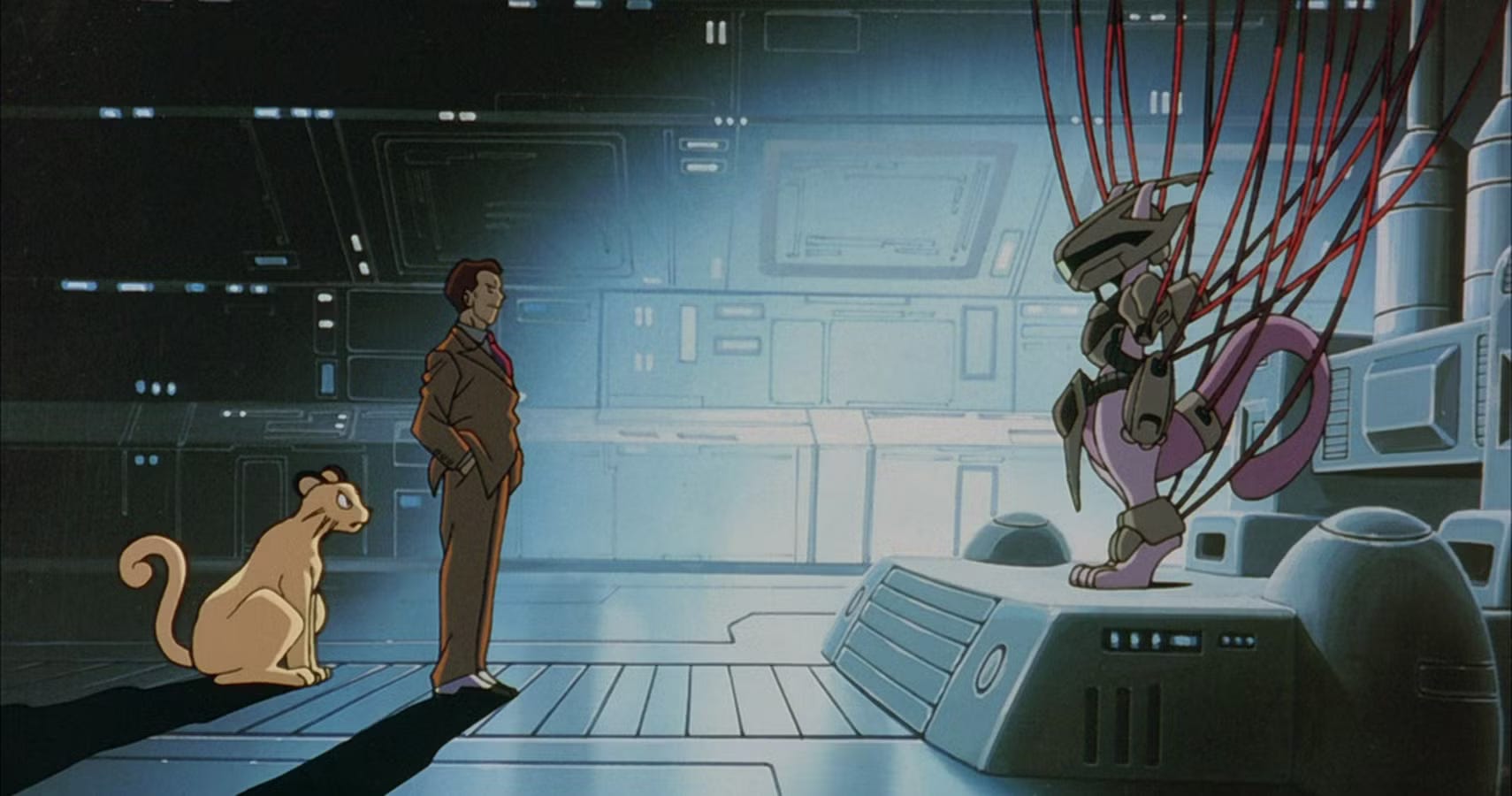
This added context gave so much more weight to the story – it humanized the science behind his origin and made his emotional turmoil more relatable.
You begin to understand the depth of his inner conflict: a being brought into existence not out of love or natural evolution, but as a clone of Mew – Pokémon’s mythical progenitor – manufactured by Team Rocket.
Mewtwo wasn’t just a science experiment; he was a misunderstood, artificial echo of Mew, manipulated by Giovanni to wage war against humanity.
The extended narrative paints a tragic picture of Mewtwo’s identity crisis, torn between what he was designed to be and what he wants to become.
Dr. Fuji hoped to bring back his lost child through cloning Mew. He never had a normal childhood, no chance to learn or understand emotions. When Mewtwo first begins to feel confusion and sorrow he cries.
Those suppressed feelings don’t disappear – they resurface later as fear, rage, and pain. When Mewtwo escapes, he's overwhelmed. For the first time, he feels anger – raw, consuming.
“I see now that the circumstances of one's birth are irrelevant. It is what you do with the gift of life that determines who you are”.
All he has ever known is control, experimentation, and captivity. He believes Pokémon are enslaved, just as he was.
Humans have exploited Pokémon for too long, and now he’s finally striking back. He isn't asking for freedom.
Urban legend
As far as I am concerned, back in the day the internet could not help us the way it does now. Instead of scrolling through guides or watching walkthroughs, we would practically beg our parents to buy Pokémon magazines just to learn how to “catch ’em all.” Those pages felt like treasure maps, and we treated every tip like a secret only the chosen few could know.
Many of us carry childhood memories colored by hoaxes and wild rumors – myths whispered on the school playground, traded between friends, or discovered in obscure online forums that were more mystery than information.
These stories weren’t just instructions; they were adventures waiting to happen. They made the Pokémon world feel endless, full of secrets hidden just beyond what the games ever showed us.
I distinctly remember launching Mossdeep City’s rocket over 250 times in hopes of reaching the moon, driven by my cousin’s confident claim that doing so would unlock a ticket to travel there and catch Deoxys.
I spent countless hours staring at that screen, full of belief and wonder. Even though the rocket never took me anywhere, the hope and excitement it sparked are memories I cherish – moments when imagination blurred perfectly into the game, and anything felt possible.
The downfall
Personally, I feel that after Pokémon Black/White something changed. It’s as if the series is trapped within the cliché of hero’s journey, and the thrill of discovery. The fifth Generation masterfully combined nostalgic visuals with richer storytelling and modernized gameplay.
It didn’t just bring players back to where Pokémon began – it rekindled the very reasons they fell in love with the franchise.
While those core elements are essential to Pokémon’s enduring appeal, their repeated use has come at the expense of the narrative depth and rich world-building that made the earlier generations feel truly magical.
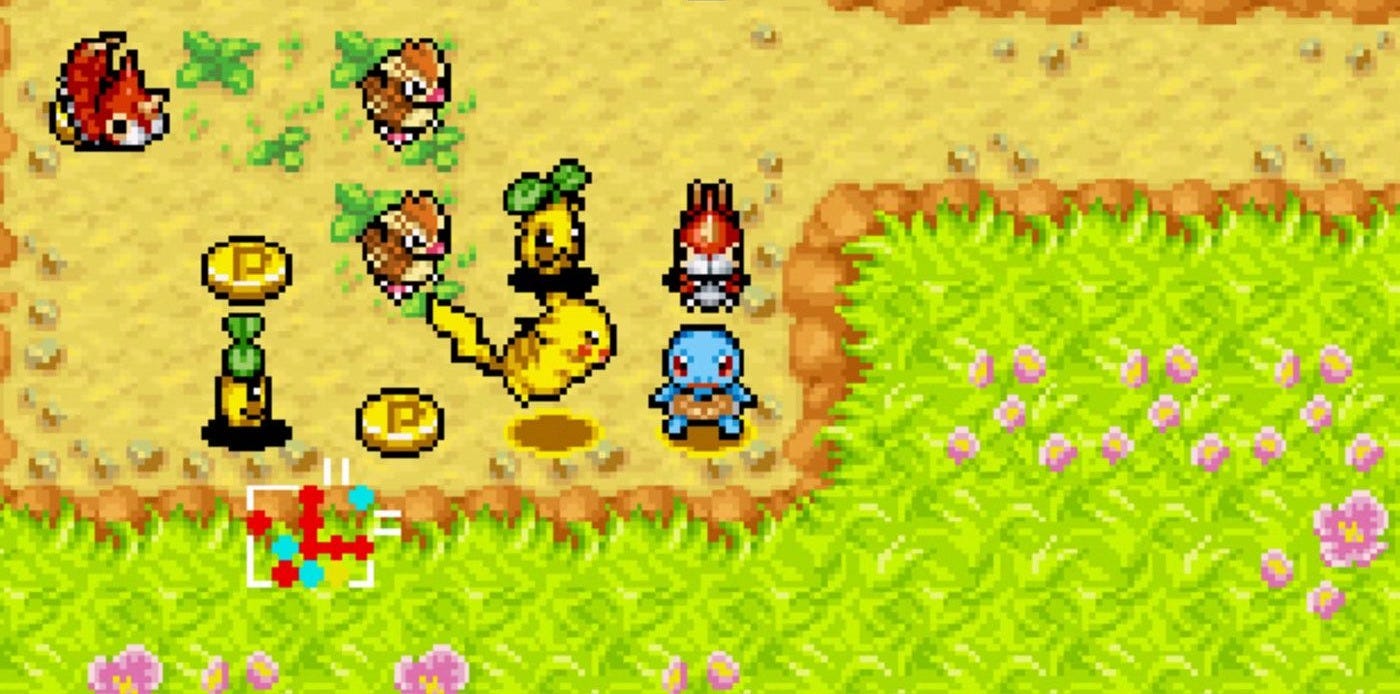
For instance, when I first picked up ‘Pokémon 'Mystery Dungeon’, I was intrigued by its unique concept. As a matter of fact, in this game the trainer awakens to find themselves transformed into a Pokémon, with no memory of their past life – only their name remains.
Teaming up with a partner, they venture into randomly generated, mysterious dungeons in a roguelike RPG experience, battling hostile Pokémon and collecting items that support their journey.
Despite its strong narrative and charm, I found myself struggling. The difficulty curve was steeper than I expected, with punishing mechanics and tough dungeon layouts that didn’t leave much room for error.
I eventually had to put it down, realizing it just wasn’t the right fit for how I enjoy playing Pokémon.
In contrast, ‘Pokémon Ranger’ completely captured my heart. The stylus-based capture system was challenging but engaging. I absolutely loved the 3D graphic, blending with pixel art, leaving a lasting impression that no other Pokémon game has quite matched.
Just as ‘Pokémon Stadium’ brought fans the thrill of 3D battles, also ‘Pokémon Colosseum’ aimed to deliver a similar experience with a deeper, story-driven twist.
Its sequel, ‘Pokémon XD: Gale of Darkness’, built on this foundation, offering a more narrative-rich and darker take on the Pokémon universe.
XD is especially remembered for 46 unique Shadow Pokémon to encounter and purify, the game offered a compelling blend of strategy and storytelling.
It even teased the upcoming fourth generation by featuring Munchlax and Bonsly, generating early excitement among fans (alike Manaphy's unique egg in Pokémon Ranger).
Looking back, spin-off titles like Gale of Darkness stood out for their originality and depth – something modern titles such as ‘Pokémon Café’, ‘Pokémon Sleep’, or the upcoming ‘Pokémon Friends’ often struggle to match (Not even reaching the level of ‘Pokémon Pinball’ or ‘Pokémon Snap’, that gave birth – following the SNAP Photo Contest 1999 – to 20 exclusive Pokemon Snap TCG Cards).
As long as ‘Pokémon Champions’ that It turns out to have a much less impactful design than that offered by ‘Pokémon Battle Revolution’, first distributed back in 2006.
While games like ‘Legends: Arceus’ have tried to innovate, the overemphasis on mobile apps risks sidelining the bold, console-based creativity that once defined the Pokémon brand.
With the outbreak of COVID-19, the Pokémon craze made a dramatic comeback – fuelled by creators like Logan Paul.
Interest in trading cards skyrocketed, pushing thousands of enthusiasts to rummage through old boxes and dusty basements, hoping to uncover a forgotten gem worth thousands.
With the release of ‘Pokémon Legends: Z-A’, many fans remain sceptical – especially after Arceus and Scarlet/Violet I feel Game Freak is putting more effort into ‘Pokémon Pocket’, as it’s less demanding in terms of graphics and development costs, but potentially more sustainable and profitable in the long run.
What should we expect from the franchise’s 30th anniversary? There’s something undeniably magical about the pixel art of Pokémon; something that actual 3D graphics would never manage to capture.
The limitations of the hardware actually seemed to inspire more creativity, forcing the artists to think outside of the box. Many Pokémon in 3D models appear static, overly polished, or even lifeless.
The world, once stylized and colourful, does struggle – even though it is within an open world videogame. What pixel art in the early Pokémon games did so brilliantly was leave just enough to the imagination.
It’s this romantic charm that Pokémon continues to chase. I am frankly disappointed everyone's taking the defence of The Pokémon Company.
The deadlines limit the dev team to put the same effort on mainline titles. Is it enough to justify such a poor technical compartment?
Not really, as Game Freak has recently revealed its new action RPG titled ‘Beast of Reincarnation’, that looks fabolous.
The nostalgic people cling to their childhood memories, continuing to support the franchise, even though Junichi Masuda himself seems to have long lost the passion.
Should we keep buying their games out of loyalty to our past, even when it’s clear The Pokémon Company no longer shares the same love and care for the world they created? Après moi, le deluge.